
Do You Really Need a Retaining Wall? Common Yard Problems They Solve
April 10, 2026
Outdoor spaces are an extension of our homes, but not every yard is naturally functional or easy to maintain. Sloped terrain, poor drainage, and soil instability can quickly turn a landscape into a source of ongoing frustration. Many homeowners attempt temporary fixes such as regrading soil or planting vegetation, only to find that the underlying issues persist or worsen over time. This is where retaining walls come into focus—not just as structural elements, but as long-term solutions that address both practical and aesthetic challenges in landscape design.
Understanding whether a retaining wall is truly necessary requires a closer look at the specific problems present in a yard. From erosion control to maximizing usable space, retaining walls serve multiple purposes that go beyond visual appeal. In today’s landscaping industry, they are considered essential features in properties where elevation changes and environmental factors create instability. By evaluating common yard problems and how retaining walls resolve them, we can make informed decisions that improve durability, safety, and overall property value without relying on short-term or ineffective solutions.
1. Managing Sloped Terrain Effectively
Understanding the Challenges of Uneven Ground
Sloped yards present one of the most common and difficult landscaping challenges faced by homeowners today. Uneven terrain limits how we use outdoor spaces, making it difficult to install patios, gardens, or even maintain a stable lawn over time. Water naturally flows downhill, which can lead to soil displacement and inconsistent moisture levels across the property, creating ongoing maintenance concerns.
How Retaining Walls Create Usable Space
Retaining walls transform steep or awkward slopes into level, functional areas that improve usability significantly. By cutting into the slope and holding soil in place, we can create terraces that expand usable space efficiently. This allows for outdoor living features such as seating areas, walkways, and planting beds that would otherwise be impractical or unstable in sloped environments.
Real-World Application
For example, a backyard with a sharp incline can be converted into tiered sections for better functionality. The upper level may host a garden, while the lower level becomes a patio or entertainment space. Without a retaining wall, these features would struggle to remain stable over time, especially during heavy rainfall or seasonal weather changes.
2. Preventing Soil Erosion and Landscape Damage
Causes and Impact of Soil Erosion
Soil erosion occurs when water or wind gradually removes the top layer of soil over time. In residential landscapes, heavy rain is the primary cause, especially in areas with loose or poorly compacted soil structures. Over time, erosion can expose roots, damage foundations, and create unsightly depressions in the yard, reducing overall landscape appeal.
Retaining Walls as a Protective Barrier
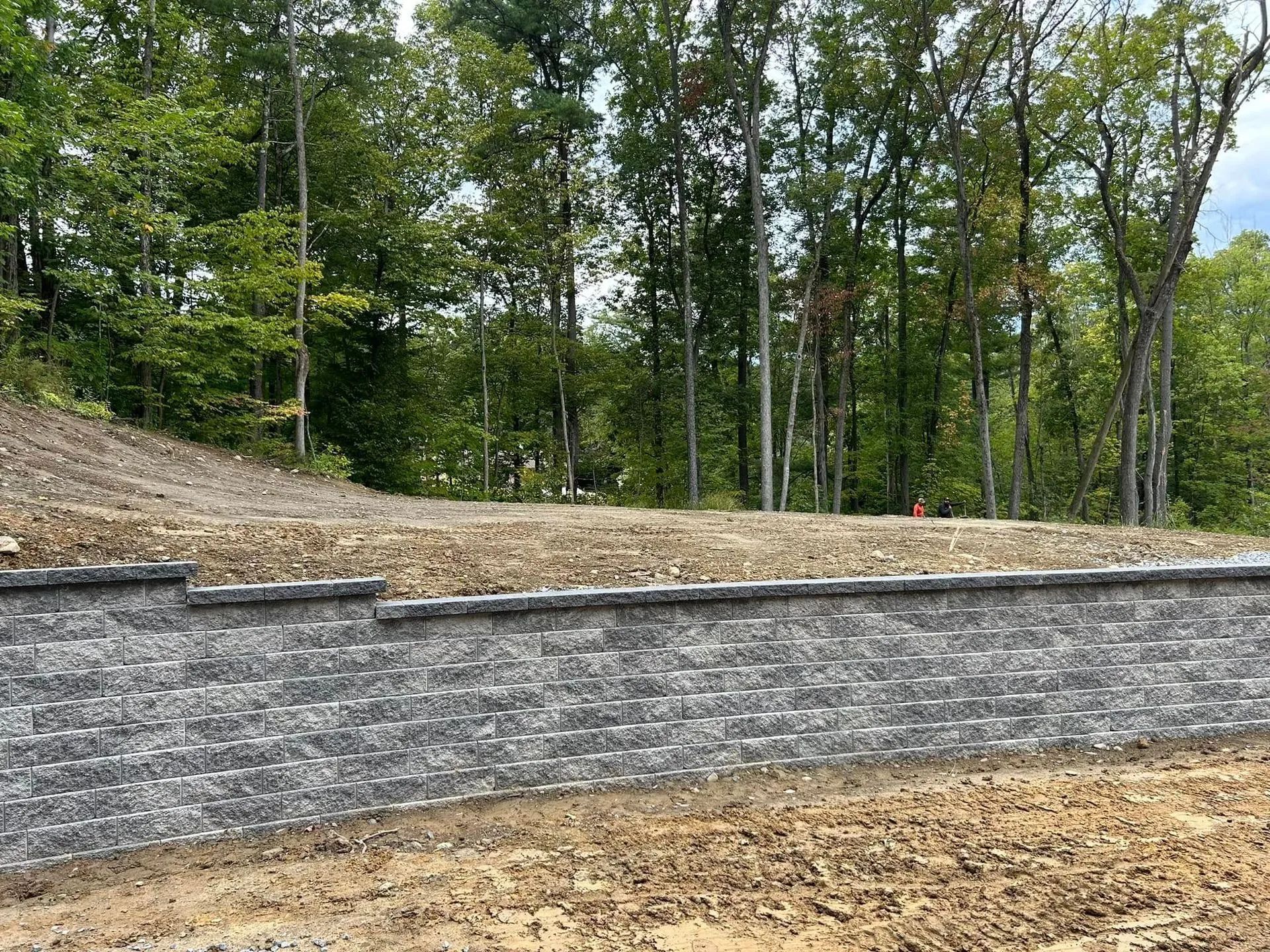
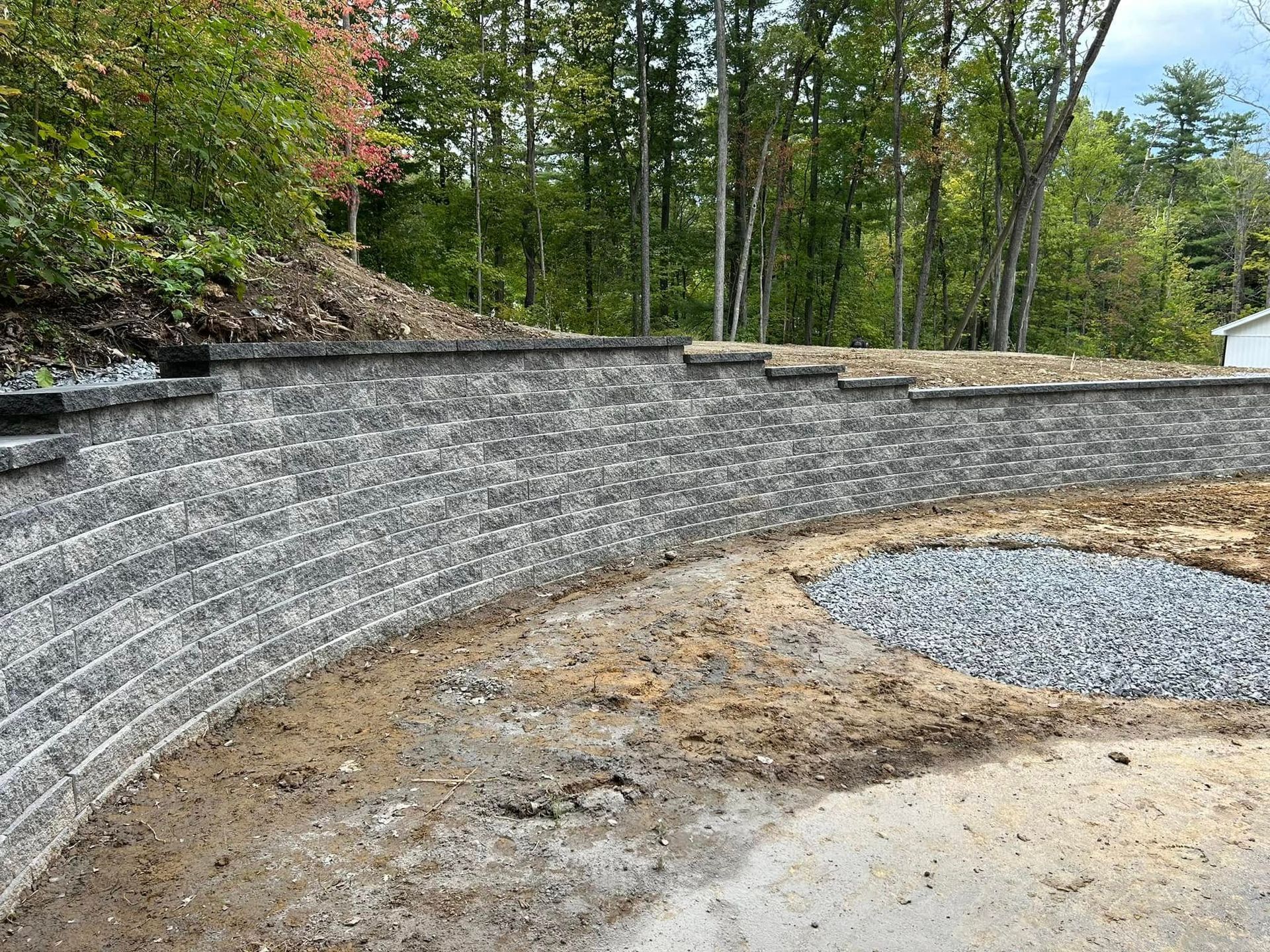
Retaining walls act as a physical barrier that holds soil firmly in place and prevents it from washing away during storms. By stabilizing the ground, we protect not only the landscape but also nearby structures such as driveways, fences, and foundations from potential damage caused by shifting soil.
Long-Term Benefits
Installing a retaining wall reduces maintenance efforts significantly and helps preserve landscape integrity over the years. Instead of repeatedly replacing lost soil or repairing damage, we create a stable environment that withstands changing weather conditions and seasonal shifts effectively.
3. Solving Drainage and Water Management Issues
The Risks of Poor Drainage
Improper drainage can lead to standing water, foundation damage, and plant health issues across the property. Water pooling in certain areas creates an imbalance in the landscape, weakening soil structure and encouraging mold or mildew growth over time, which can further complicate maintenance.
Integrating Drainage Solutions with Retaining Walls
Modern retaining walls are designed with built-in drainage systems that enhance their functionality and durability. Features such as weep holes, gravel backfill, and drainage pipes allow water to pass through safely without compromising structural integrity or causing internal pressure buildup behind the wall.
Practical Example
Consider a yard where water consistently collects at the base of a slope after heavy rainfall events. Installing a retaining wall with proper drainage channels redirects water flow and eliminates pooling effectively. This not only protects the landscape but also improves usability after rainfall and prevents long-term damage.
4. Enhancing Structural Stability and Safety
Identifying Unstable Soil Conditions
Certain soil types, such as clay or loose sand, are more prone to shifting under pressure or moisture changes. This instability can lead to gradual ground movement, increasing the risk of cracks in nearby structures or uneven surfaces in the yard that require frequent repairs.
Retaining Walls as Structural Support Systems
Retaining walls reinforce the landscape by holding back soil and preventing movement in vulnerable areas. In areas with significant elevation changes, they serve as essential support systems that maintain ground integrity and prevent long-term structural issues from developing.
Safety Considerations
Unstable slopes can pose serious safety hazards, particularly in high-traffic areas where people frequently walk or gather. A well-built retaining wall minimizes the risk of landslides or sudden soil collapse, creating a safer environment for everyday use and outdoor activities.
5. Expanding Functional Outdoor Living Areas
Maximizing Limited Space
Many properties have unused or underutilized areas due to uneven ground or challenging terrain conditions. Retaining walls allow us to reclaim these spaces by creating flat surfaces suitable for various purposes, improving overall usability and comfort.
Design Opportunities
With proper planning, retaining walls can be integrated into landscape designs that include outdoor kitchens, fire pits, seating areas, and garden beds for added functionality. This enhances both usability and visual appeal, making outdoor spaces more enjoyable and versatile.
Increasing Property Value
A well-designed retaining wall system not only improves usability but also adds to the overall value of the property significantly. Buyers often view structured and stable landscapes as a major advantage when evaluating potential properties for long-term investment.
6. Improving Aesthetic Appeal and Landscape Design
Blending Function with Design
Retaining walls are no longer purely utilitarian features in modern landscaping projects. Modern designs incorporate materials such as natural stone, concrete blocks, and brick to create visually appealing features that complement the surrounding environment and architectural style.
Creating Visual Interest
Tiered retaining walls add depth and dimension to a landscape, enhancing its overall appearance significantly. They break up large, flat areas and create focal points that draw attention while improving the balance and structure of the outdoor space.
Customization Options
From curved walls to integrated lighting, retaining walls offer a wide range of customization possibilities for homeowners. This allows us to achieve a cohesive look that aligns with the property’s architectural style while meeting specific design preferences and functional needs.
7. Addressing Common Installation Challenges
Planning and Engineering Considerations
Building a retaining wall requires careful planning, including soil analysis, load calculations, and drainage design for optimal performance. Without proper preparation, even a well-built wall can fail prematurely due to pressure buildup or structural weaknesses over time.
Material Selection
Choosing the right materials is critical for ensuring durability and long-term effectiveness in varying conditions. Factors such as climate, soil type, and intended use all influence the selection process and overall performance of the wall structure.
Maintenance and Longevity
Although retaining walls are designed to be durable and long-lasting, regular inspections are essential for maintaining their integrity. Checking for cracks, drainage issues, or signs of movement ensures long-term performance and helps prevent costly repairs in the future.
8. When a Retaining Wall May Not Be Necessary
Evaluating Alternatives
Not every yard requires a retaining wall, especially when terrain challenges are minimal or manageable. In cases where slopes are minimal or soil conditions are stable, alternative solutions such as grading or ground cover plants may be sufficient to address minor issues.
Cost vs. Benefit Analysis
Retaining walls can be a significant investment depending on size and complexity, so careful consideration is important. It is essential to weigh the benefits against the cost to determine whether the solution aligns with long-term goals and budget constraints.
Professional Assessment
A thorough evaluation helps determine whether a retaining wall is the right choice for a specific property. By analyzing the unique challenges of a landscape, we can select the most effective and efficient solution that delivers lasting results.
Dedicated Landscaping Experts Focused on Quality and Precision
High Country Hardscape & Landscape Designs LLC stands as a trusted authority in delivering expertly crafted landscape solutions that address real-world challenges with precision and care. With 25 years of hands-on experience in the landscaping industry, a deep understanding of terrain management, structural design, and outdoor aesthetics ensures every project is approached with both technical expertise and creative vision.
Based in Clifton Park, New York, a commitment to quality workmanship and long-term durability drives every retaining wall and landscape transformation. Each project is carefully evaluated to determine the most effective solution, whether it involves stabilizing slopes, improving drainage, or enhancing usable outdoor space. The focus remains on creating landscapes that are not only visually impressive but also structurally sound and built to last.
By combining proven techniques with modern design principles, High Country Hardscape & Landscape Designs LLC
continues to deliver results that elevate properties and provide lasting value. Choosing an experienced landscaper ensures that every outdoor space is transformed into a functional, safe, and beautifully designed environment tailored to meet specific needs.