
Block, Boulder, or Decorative Retaining Wall — Which Option Is Best for Your Property?
May 5, 2026
Retaining walls are more than structural necessities; they are strategic landscape elements that shape outdoor spaces, manage soil movement, and enhance property value. Choosing the right type of retaining wall is critical for ensuring long-term stability, functionality, and visual appeal. Among the most common options—block, boulder, and decorative retaining walls—each offers distinct advantages depending on the terrain, design goals, and budget considerations. Understanding these differences allows property owners to make informed decisions that align with both practical needs and aesthetic preferences. A well-planned retaining wall can also reduce long-term maintenance costs by preventing recurring landscape issues. In addition, it contributes to safer outdoor environments by minimizing the risk of soil displacement and erosion-related damage. With increasing demand for functional outdoor living spaces, selecting the right wall system has become more important than ever.
In today’s landscaping industry, retaining walls play a vital role in addressing challenges such as soil erosion, uneven terrain, and water drainage. At the same time, they contribute significantly to curb appeal and usable outdoor space. Whether supporting a sloped yard, creating tiered garden beds, or defining outdoor living areas, the right wall system can transform a property. By evaluating materials, durability, installation requirements, and design flexibility, we can determine which option—block, boulder, or decorative—best suits specific project goals while ensuring long-term performance and value. These structures also allow for better land utilization, especially in properties with limited flat areas. When designed strategically, retaining walls can seamlessly integrate with patios, walkways, and outdoor features. As a result, they serve both as functional solutions and key design elements in modern landscaping projects.
1. Understanding the Purpose of Retaining Walls
Structural Stability and Soil Retention
Retaining walls are primarily designed to hold back soil and prevent erosion, especially in areas with uneven or sloped terrain. Without proper support, soil movement can lead to landscape damage, foundation issues, and drainage complications. A well-built retaining wall redistributes pressure and stabilizes the ground, protecting both the landscape and surrounding structures.
Enhancing Usable Space
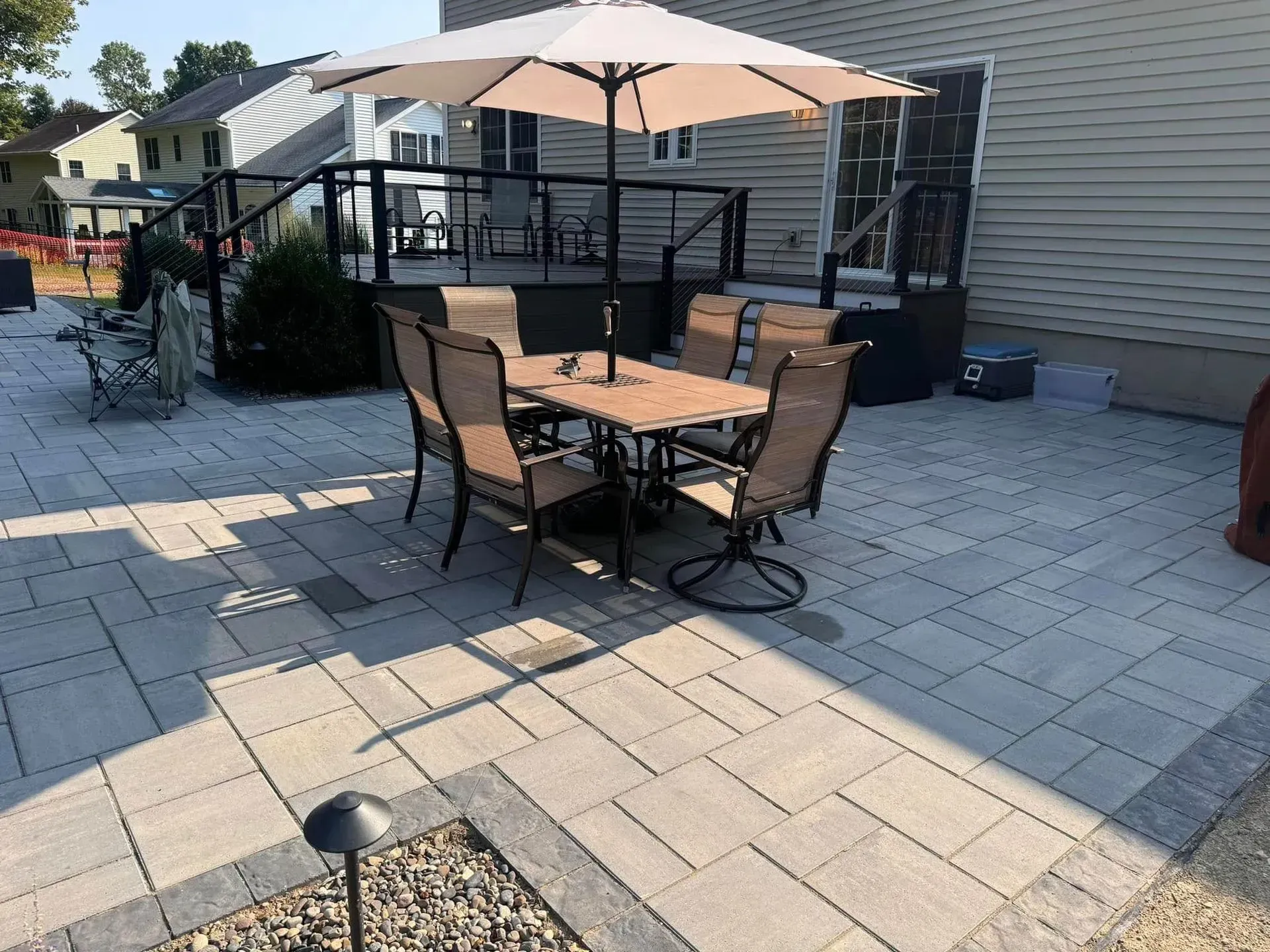
One of the most practical benefits of retaining walls is their ability to convert unusable slopes into functional areas. By creating level terraces, property owners can expand outdoor living spaces, install patios, or establish garden beds. This transformation significantly increases the usability and value of a property.
Managing Water Drainage
Proper drainage is essential in any landscaping project. Retaining walls often incorporate drainage systems that redirect water flow, preventing pooling and reducing hydrostatic pressure behind the wall. This feature is critical for maintaining the wall’s integrity over time.
Aesthetic Contribution
Beyond functionality, retaining walls serve as visual focal points. Whether designed for a natural look or a modern finish, they can complement the overall landscape design and enhance curb appeal.
2. Block Retaining Walls: Strength and Versatility
What Are Block Retaining Walls?
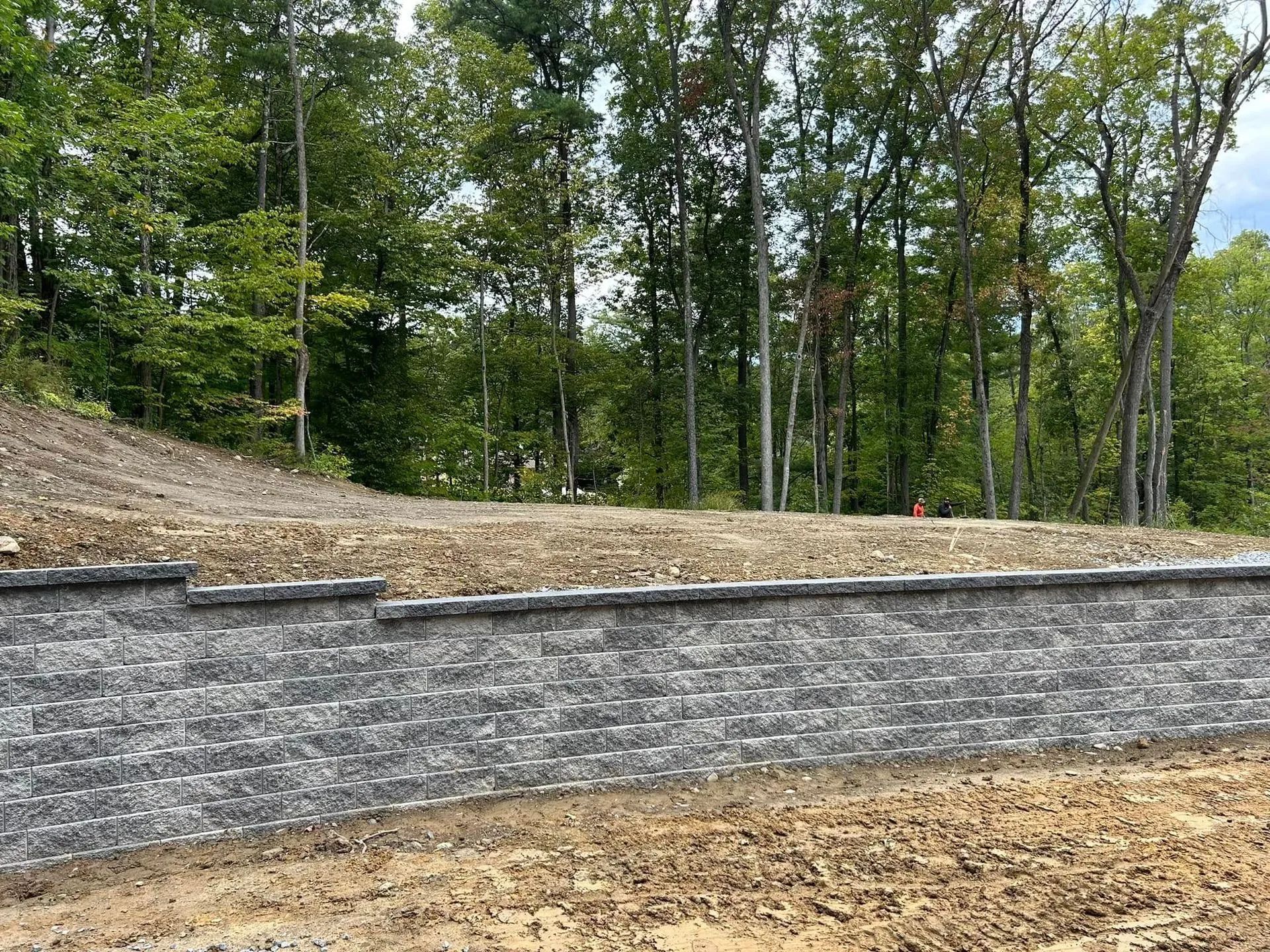
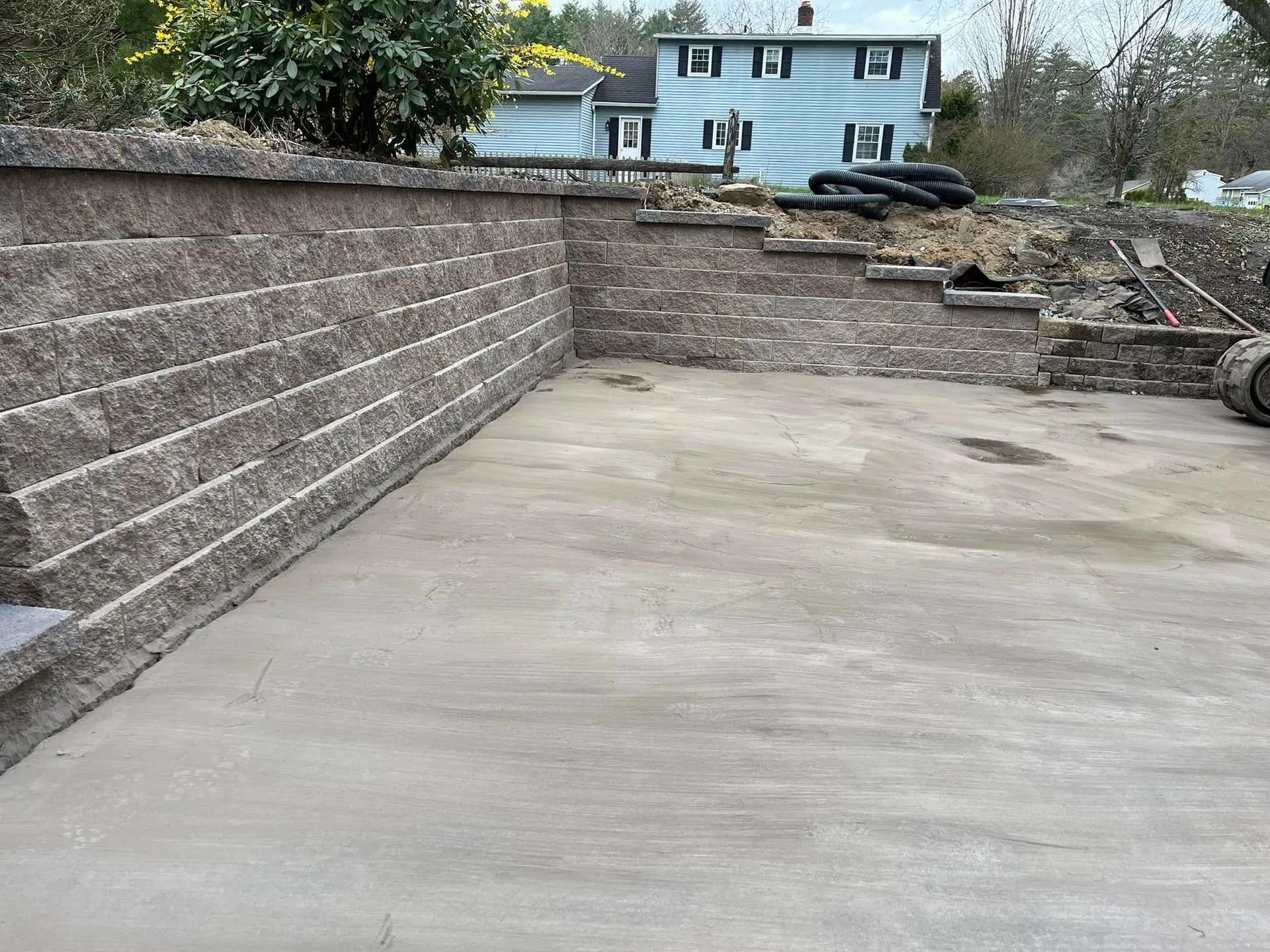
Block retaining walls are constructed using interlocking concrete blocks specifically engineered for durability and stability. These systems are widely used in residential and commercial projects due to their reliability and adaptability.
Key Advantages
Block walls offer exceptional strength, making them ideal for supporting heavy loads and taller structures. Their interlocking design ensures structural integrity while allowing flexibility during installation. Additionally, they are available in a wide range of colors, textures, and finishes, enabling customized designs that suit various architectural styles.
Design Flexibility
One of the standout features of block retaining walls is their versatility. They can be used to create straight or curved walls, tiered landscapes, and integrated seating areas. This adaptability makes them suitable for both functional and decorative applications.
Real-World Application
In properties with significant elevation changes, block walls are often used to create multi-level terraces. For example, a sloped backyard can be transformed into a series of usable platforms for outdoor dining, gardening, and recreation.
Challenges and Considerations
While block retaining walls are durable, they require proper installation techniques, including a stable base and effective drainage systems. Poor installation can lead to shifting or bulging over time. Additionally, the cost of materials and labor may be higher compared to simpler options.
3. Boulder Retaining Walls: Natural Strength and Rustic Appeal
What Are Boulder Retaining Walls?
Boulder retaining walls are constructed using large natural stones, often sourced locally. These walls emphasize a natural, organic appearance and blend seamlessly with surrounding landscapes.
Key Advantages
Boulder walls are known for their durability and resistance to weathering. The sheer size and weight of the stones provide inherent stability, reducing the need for complex structural systems. Their natural look makes them an excellent choice for properties that prioritize a rustic or environmentally integrated design.
Environmental Benefits
Using natural stone materials can reduce the environmental impact of a project. Boulder walls often require minimal processing, and their longevity contributes to sustainable landscaping practices.
Real-World Application
Boulder retaining walls are commonly used in rural or wooded properties where maintaining a natural aesthetic is important. For instance, a hillside property surrounded by trees can benefit from a boulder wall that complements the existing environment rather than contrasting with it.
Challenges and Limitations
Despite their advantages, boulder walls have limitations. Achieving precise alignment and uniformity can be difficult due to the irregular shapes of the stones. This makes them less suitable for projects requiring a polished or modern appearance. Additionally, installation often requires heavy equipment and experienced professionals, which can increase costs.
4. Decorative Retaining Walls: Style Meets Function
What Defines Decorative Retaining Walls?
Decorative retaining walls prioritize aesthetics while still maintaining structural functionality. They are typically constructed using materials such as textured concrete, stone veneers, or custom-designed blocks that mimic natural materials.
Design and Visual Appeal
These walls are ideal for enhancing outdoor spaces with a refined and cohesive look. Decorative options allow for intricate patterns, color variations, and finishes that align with the overall landscape design. This makes them particularly popular in high-end residential projects.
Versatility in Applications
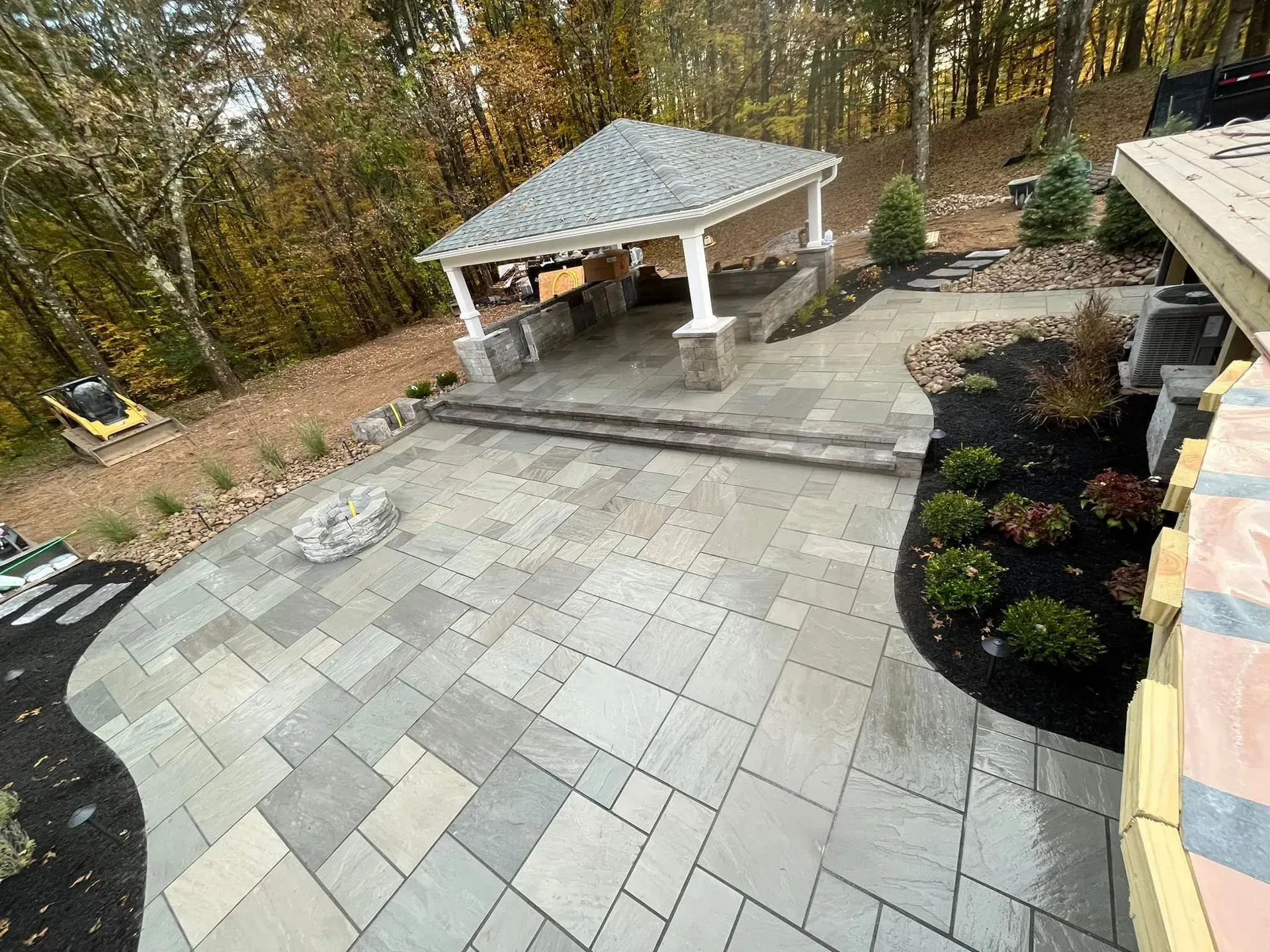
Decorative retaining walls can be used to define garden beds, frame outdoor living areas, or create visually appealing boundaries. They are often integrated with features such as lighting, seating, and water elements to enhance the overall design.
Real-World Application
In suburban properties with a focus on curb appeal, decorative retaining walls are used to create elegant front yard designs. For example, a layered garden with a decorative wall can add depth and sophistication to the landscape.
Challenges and Considerations
While decorative walls offer visual benefits, they may not always match the structural strength of block or boulder walls for heavy-duty applications. It is important to ensure that the chosen design meets both aesthetic and functional requirements. Additionally, higher-end materials and custom designs can increase project costs.
5. Comparing the Three Options: Which One Is Right for You?
Evaluating Property Needs
Choosing the right retaining wall depends on the specific needs of the property. For steep slopes or areas requiring significant structural support, block walls are often the most reliable option. For properties emphasizing natural aesthetics, boulder walls provide a seamless integration with the environment. Decorative walls are ideal for projects where visual appeal is a primary concern.
Budget Considerations
Budget plays a significant role in decision-making. Block walls typically offer a balance between cost and durability, while boulder walls may vary in price depending on material availability and installation complexity. Decorative walls often represent a higher investment due to customization and premium materials.
Maintenance Requirements
Maintenance is another important factor. Block walls require minimal upkeep when properly installed, while boulder walls are highly durable but may need occasional adjustments. Decorative walls may require periodic cleaning or repairs to maintain their appearance.
Long-Term Value
Investing in the right retaining wall can significantly impact property value. A well-designed and properly constructed wall not only solves functional issues but also enhances the overall landscape, making the property more attractive to potential buyers.
Expert Recommendation
In many cases, a combination of materials can provide the best results. For example, a property may use block walls for structural support and decorative elements for visual enhancement. Consulting with experienced professionals ensures that the chosen solution aligns with both immediate needs and long-term goals.
Trusted Experts Delivering Superior Retaining Wall Solutions
At High Country Hardscape & Landscape Designs LLC, we bring decades of hands-on expertise to every retaining wall project, delivering solutions that combine structural integrity with exceptional design. With 25 years of experience serving Clifton Park, New York, we understand the unique challenges that different terrains and climates present. Our approach focuses on creating retaining walls that not only solve issues like erosion and uneven ground but also enhance the overall beauty and usability of outdoor spaces.
We prioritize precision, quality materials, and proven installation techniques to ensure long-lasting results. Whether the project calls for the strength of block systems, the natural appeal of boulder walls, or the refined look of decorative designs, we tailor every solution to meet specific property needs. Our commitment to craftsmanship and attention to detail allows us to deliver landscapes that stand the test of time. By choosing us, property owners gain a trusted partner dedicated to transforming outdoor spaces into functional, visually striking environments that add lasting value.