
Professional Landscaping vs DIY: What Delivers Better Long-Term Value?
February 6, 2026
When it comes to creating and maintaining a beautiful yard, homeowners often face a critical choice: hire a professional landscaper or tackle the project themselves. With the rise of DIY culture, countless blogs, videos, and social media posts showcase the satisfaction of transforming outdoor spaces using your own hands. On the surface, taking a do-it-yourself approach may seem more cost-effective and personally rewarding. However, the decision goes beyond immediate savings, encompassing long-term value, sustainability, and overall impact on your property. Understanding the differences between professional landscaping services and DIY efforts can help homeowners make informed decisions that maximize both aesthetics and investment.
Professional landscaping goes beyond mere planting and trimming; it encompasses strategic planning, soil and drainage management, plant selection, hardscape integration, and ongoing maintenance—all tailored to enhance property value and longevity. DIY projects, while satisfying, can encounter hidden challenges such as improper installation, plant failure, and inefficient use of space and resources. This blog explores the nuanced considerations between professional landscaping and DIY projects, highlighting the benefits, challenges, and long-term implications of each approach. By the end, homeowners will have a clearer understanding of which path offers superior value, both financially and functionally, for their outdoor spaces.
Cost Analysis – Short-Term vs Long-Term Value
Initial Investment Comparison
One of the most immediate factors influencing the landscaping decision is cost. DIY landscaping projects often appear attractive because they reduce labor expenses and allow homeowners to purchase materials at their own pace, conveniently. A weekend project might only require seeds, plants, soil, and basic tools, costing a fraction of what a professional service typically charges. For homeowners with a limited budget, this low upfront cost can be especially compelling and tempting to consider.
However, professional landscapers often leverage industry connections to source high-quality materials at competitive prices efficiently. While the initial price may be higher, professionals bring expertise that ensures every dollar spent contributes effectively to the overall project success. Strategic planning avoids costly mistakes such as overplanting, poor drainage installation, or mismatched plant selection, which can ultimately result in expenses far exceeding the original budget over time.
Long-Term Maintenance Costs
DIY efforts can also lead to unforeseen and often significant maintenance costs. Improper planting, soil preparation, or irrigation setup often leads to plant loss, pest infestations, or soil erosion problems over time. Replacing failed plants and repairing errors can quickly accumulate, offsetting initial savings that seemed appealing initially. In contrast, professional landscapers implement sustainable solutions specifically designed for long-term longevity and minimal future interventions. Their experience in irrigation systems, mulching, fertilization, and pruning schedules reduces the likelihood of recurring problems, resulting in significantly lower long-term maintenance costs.
Design and Aesthetic Impact
Strategic Landscape Design
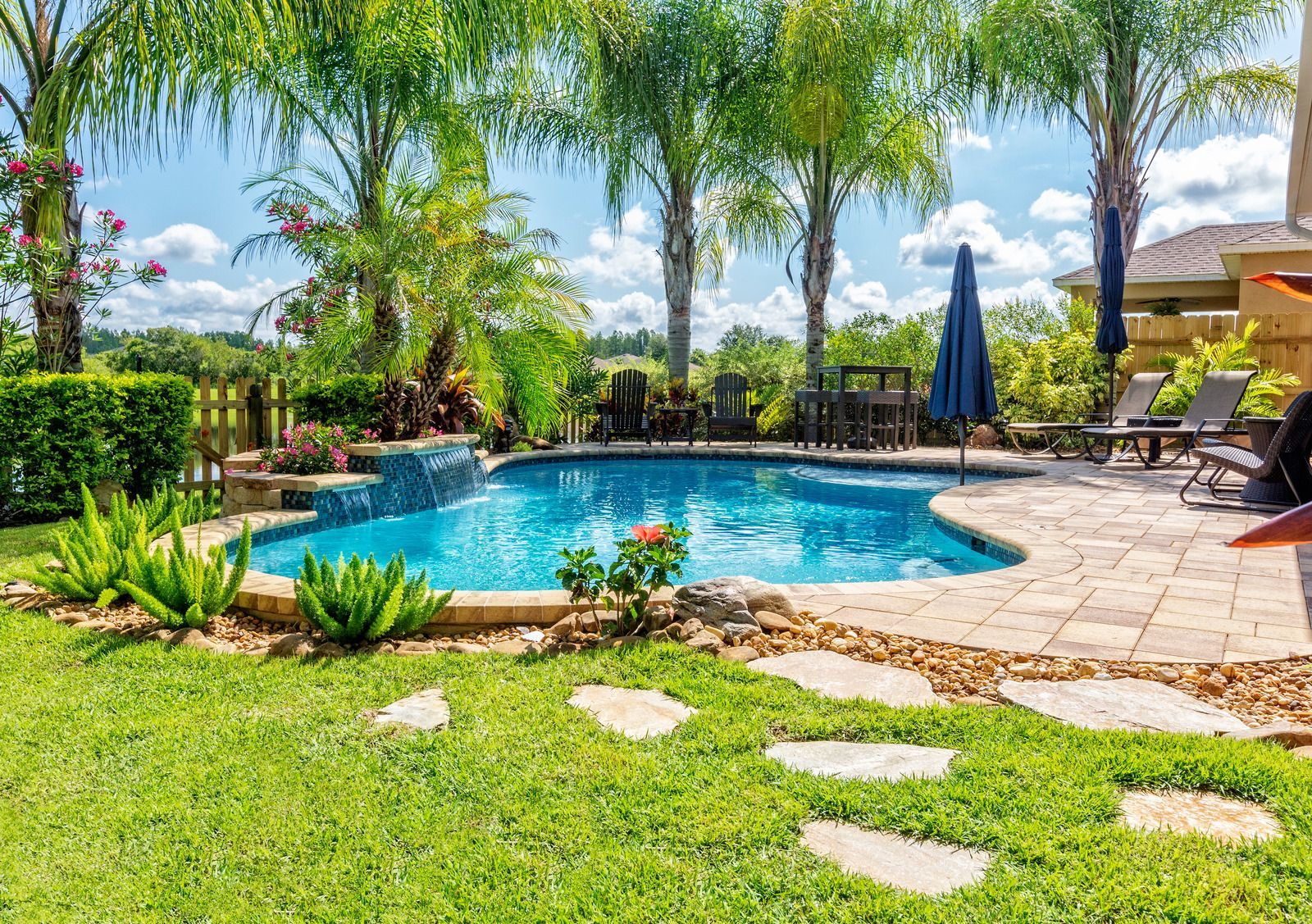
A primary advantage of professional landscaping lies in superior design expertise and strategic planning. Professional landscapers are trained to evaluate your property holistically, considering sunlight exposure, soil composition, drainage, and spatial dynamics carefully. This allows them to create a cohesive design that balances aesthetics, functionality, and environmental sustainability effectively. Features like garden beds, pathways, patios, and water elements are integrated seamlessly, enhancing both visual beauty and functional usability over the long term.
DIY landscaping often focuses on individual projects without a fully cohesive plan or proper spatial evaluation, potentially leading to mismatched elements, overcrowding, or inefficient space utilization over time. While creative and personalized, DIY layouts may fail to maximize visual appeal or optimize plant health consistently throughout the seasons, creating long-term aesthetic and functional challenges.
Curb Appeal and Property Value
Beyond personal satisfaction, landscaping is a strategic investment in overall property value and desirability. Studies consistently show that professionally landscaped properties can increase home value by up to 20%, depending on the market and design quality. Well-planned landscapes improve curb appeal, attract prospective buyers, and can even reduce energy costs by providing natural shade and windbreaks around the home. DIY projects, unless executed with exceptional skill, planning, and long-term foresight, are less likely to achieve these substantial financial and aesthetic benefits effectively.
Expertise in Plant Selection and Sustainability
Choosing the Right Plants
Plant selection is a deceptively complex aspect of successful landscaping that is often underestimated. Professionals consider climate adaptability, soil conditions, growth patterns, seasonal color, and compatibility with surrounding plants carefully before making choices. Selecting inappropriate plants may result in slow growth, disease susceptibility, or high maintenance needs, creating long-term challenges. Professional landscapers ensure plants thrive for years, reducing replacement costs, minimizing stress, and maximizing overall landscape health efficiently.
DIY enthusiasts often rely on trends or personal preference rather than horticultural science and proven methods. While passion, creativity, and personal engagement are valuable, the lack of technical knowledge can lead to suboptimal plant survival and inconsistent appearance over time. Without proper guidance, DIY efforts may also unintentionally increase long-term maintenance requirements significantly.
Sustainability Practices
Environmental considerations are becoming increasingly important in modern landscaping decisions and project planning. Professionals implement sustainable techniques such as drought-resistant planting, efficient irrigation systems, and organic fertilization practices carefully designed to conserve resources. This not only protects the environment but also enhances long-term garden health, resilience, and soil quality. DIY landscaping, without proper knowledge or planning, may unintentionally waste water, overuse chemicals, or damage soil structure, reducing sustainability and increasing long-term costs significantly over the years.
Hardscaping and Functional Elements
Integrating Hardscape Features
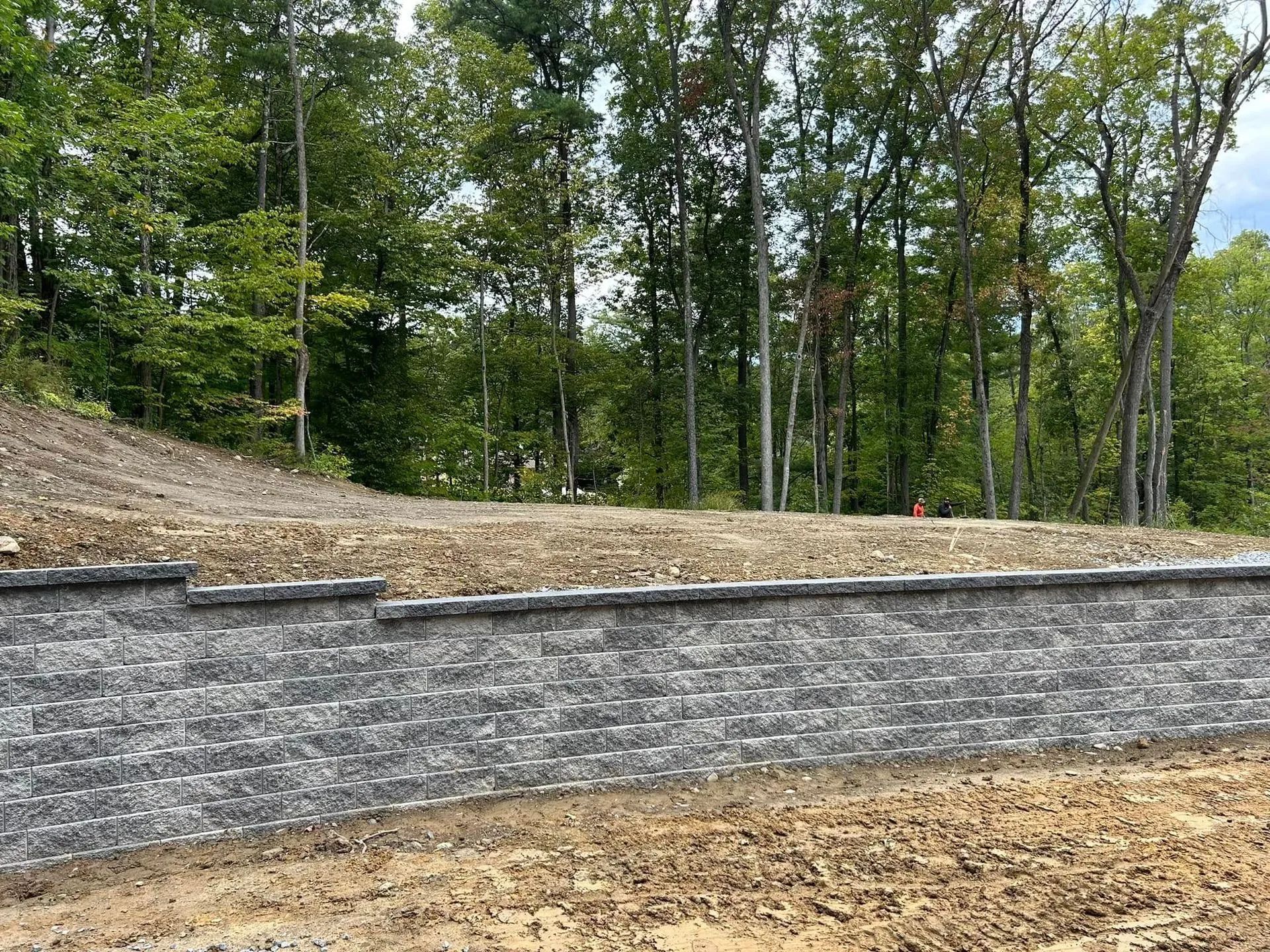
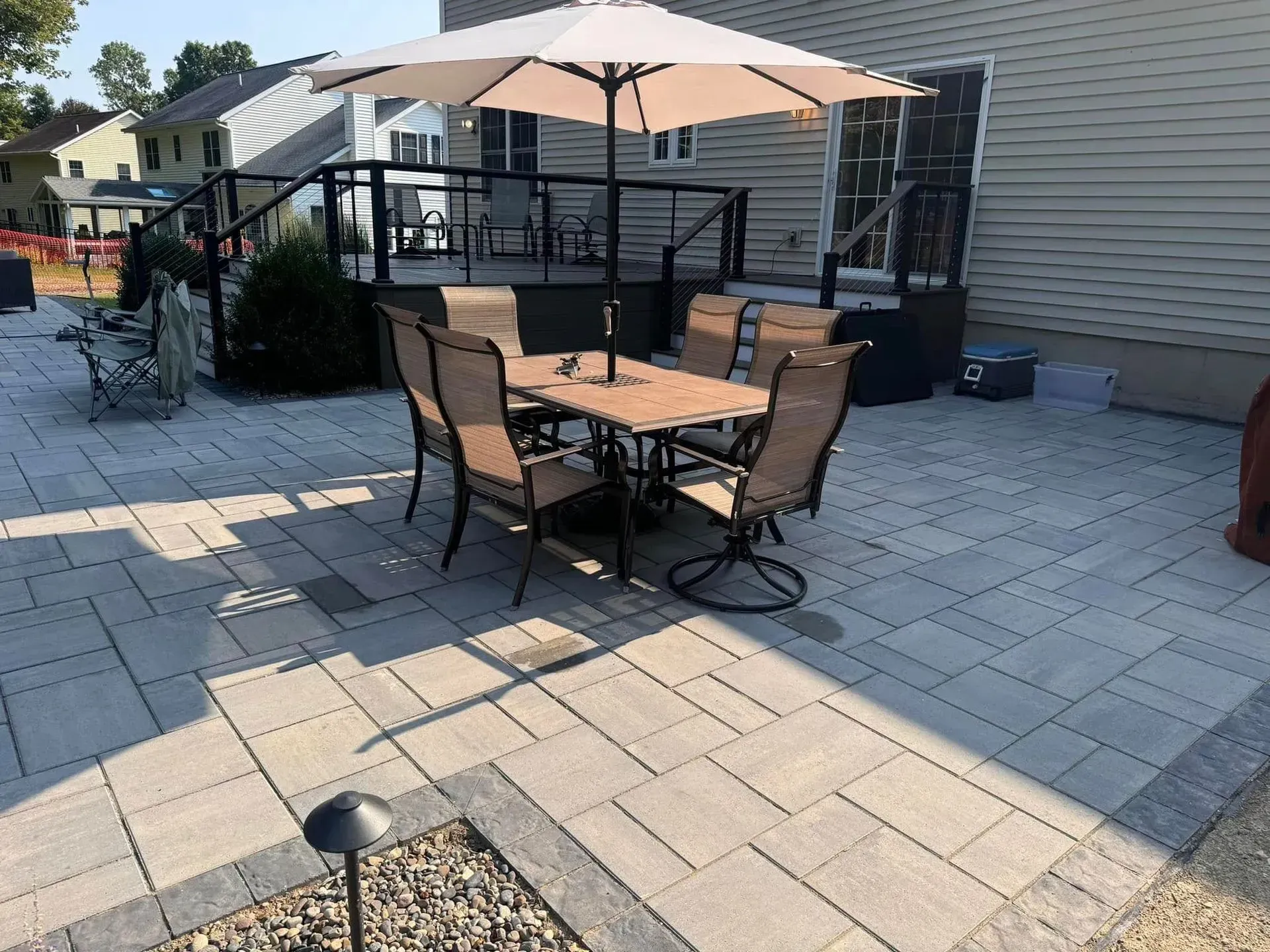
Hardscape features—such as patios, retaining walls, walkways, and water features—significantly impact both overall aesthetics and functional usability. Professional landscapers ensure structural integrity, drainage efficiency, and design coherence when installing these elements carefully. Correct installation reduces long-term repair needs, enhances durability, and increases the usability of outdoor spaces efficiently for years to come.
DIY hardscape projects, while possible for experienced individuals, carry high risk of errors due to lack of experience with materials, slope grading, and load-bearing requirements. Mistakes can compromise both safety and durability, leading to expensive corrective work, frustration, and compromised outdoor functionality over time.
Enhancing Usable Space
Professionals maximize usable space by incorporating multi-functional areas tailored specifically to the homeowner’s lifestyle and preferences. For instance, outdoor kitchens, seating areas, and fire pits are positioned to optimize social interaction, sunlight exposure, and accessibility thoughtfully. DIY approaches may create charming or visually appealing elements, but without professional guidance, they risk inefficient layouts, underutilized spaces, or recurring maintenance challenges that reduce long-term satisfaction.
Time Commitment and Skill Requirements
Time Investment in DIY Projects
DIY landscaping requires a significant time investment that is often underestimated by homeowners during planning. Tasks such as soil preparation, planting, pruning, and ongoing maintenance can consume multiple weekends or evenings over months, especially for larger or more complex projects. For busy homeowners, this commitment can be stressful, overwhelming, and may result in incomplete or inconsistent care over time.
Professional Efficiency
Professional landscapers offer superior efficiency through experience, specialized tools, and trained crews familiar with project workflows. Projects that might take months for an individual to complete can often be finished in days or weeks with professional teams, depending on scope and complexity. Additionally, professionals manage seasonal tasks like fertilization, pruning, and pest control systematically, ensuring consistent upkeep, healthier plants, and peak performance of your landscape year-round.
Risk Management and Long-Term Peace of Mind
Avoiding Common Pitfalls
DIY landscaping comes with inherent risks that homeowners may not anticipate fully. Incorrect drainage installation, improper tree planting, and poor irrigation setup can lead to structural damage, plant failure, or pest problems over time. Professionals minimize these risks through careful assessment, expert planning, and precise execution, ensuring long-term stability, plant health, and overall landscape integrity.
Warranty and Professional Accountability
Many professional landscaping services offer warranties or maintenance guarantees to protect homeowners’ investments and ensure satisfaction. This provides peace of mind that any problems will be addressed promptly without additional cost or effort. DIY projects, in contrast, rely solely on personal skill, diligence, and problem-solving, leaving homeowners fully responsible for troubleshooting and correcting errors independently, often requiring unexpected expenses and time.
Trusted Experts Delivering Lasting Landscaping Value
Choosing between professional landscaping and DIY efforts requires careful consideration of cost, aesthetics, sustainability, time, and risk management. While DIY projects can offer personal satisfaction and short-term savings, professional landscaping consistently delivers superior long-term value through expert design, proper plant selection, sustainable practices, efficient execution, and minimized maintenance challenges. The right choice depends on a homeowner’s goals, budget, and willingness to commit significant time and energy to ongoing care.
For homeowners seeking lasting beauty, increased property value, and stress-free maintenance, professional landscaping remains the most reliable investment. By leveraging industry knowledge and experience, homeowners can enjoy outdoor spaces that are visually appealing, functional, and sustainable for years to come.
High Country Hardscape & Landscape Designs LLC, based in Clifton Park, New York, has over 25
years of experience transforming outdoor spaces into functional and visually stunning landscapes. Our team of skilled professionals combines design expertise, horticultural knowledge, and quality craftsmanship to deliver results that endure. From initial consultation to ongoing maintenance, we prioritize long-term value and customer satisfaction. Whether it’s custom hardscapes, sustainable planting strategies, or comprehensive landscape planning, High Country Hardscape & Landscape Designs LLC
ensures every project enhances your property’s appeal and investment potential, making us a trusted partner in creating landscapes that last.