
7 Signs Your Yard Needs Professional Landscaping — And What to Do First
January 5, 2026
A well-maintained yard is more than just a beautiful addition to your home—it reflects your lifestyle, enhances property value, and creates a welcoming environment for family and guests. Yet, many homeowners struggle to maintain their outdoor spaces, often facing issues like overgrown lawns, poorly planned layouts, or outdated features. Identifying when your yard has outgrown basic upkeep is crucial for both aesthetic and functional reasons. Landscaping isn’t just about adding plants or mowing the lawn; it involves careful planning, design expertise, and ongoing maintenance to create a cohesive, healthy, and visually appealing outdoor environment. Investing in professional landscaping can also improve energy efficiency, increase curb appeal, and reduce long-term maintenance costs, making it a smart decision for homeowners seeking both beauty and practicality. Recognizing the signs that your yard needs professional attention can save time, prevent costly mistakes, and transform your outdoor space into a well-balanced sanctuary.
Understanding the indicators of a yard in need of professional landscaping is the first step toward achieving this transformation. From uneven terrain and patchy grass to inefficient drainage and outdated design elements, each problem presents an opportunity for improvement. In this guide, we will explore seven key signs that signal it’s time to consult a professional landscaper. Moreover, we’ll provide actionable first steps you can take to address these issues, helping you create a yard that is not only beautiful but also functional, sustainable, and enjoyable for years to come. With proper guidance, homeowners can prioritize changes effectively, avoid trial-and-error mistakes, and design a landscape that complements their lifestyle, climate, and property layout, ultimately creating a yard that brings lasting satisfaction and outdoor enjoyment.
Overgrown or Unmanageable Vegetation
Signs of Overgrowth
If your trees, shrubs, or plants have grown beyond their intended space, or if your lawn consistently becomes unmanageable despite regular mowing, it may be time to call in a professional. Overgrown vegetation can create safety hazards, block sunlight for other plants, and diminish the visual appeal of your yard.
Consequences of Ignoring Overgrowth
Allowing overgrowth to persist can lead to damaged plants, increased pest infestations, and even structural risks to your home. For example, tree roots can interfere with your foundation, while dense shrubbery may harbor insects that can damage both plants and property.
First Steps to Take
Before calling a professional, assess the areas most affected. Note which plants are out of control, which trees require trimming, and areas where invasive species may be taking over. This information helps landscapers provide tailored solutions. Temporary measures like pruning and clearing debris can make the yard safer and more manageable in the short term while you plan for a full landscape overhaul.
Poor Drainage and Water Management
Identifying Drainage Problems
Water pooling after rainfall, muddy spots, or erosion on slopes are clear indicators of poor drainage. Such issues not only affect the usability of your yard but also compromise plant health and may damage hardscaping elements like patios and walkways.
Impact on Lawn and Garden Health
Excess water can suffocate plant roots, create fungal growth, and weaken soil integrity. Conversely, areas with insufficient irrigation may leave plants dehydrated and prone to disease. Balancing water distribution requires specialized knowledge of soil types, grading, and landscape design.
First Steps to Address Drainage Issues
Observe your yard during and after a rainfall to identify problem areas. Simple interim solutions include redirecting downspouts, installing temporary drainage channels, or adding mulch to retain soil moisture. When working with a landscaper, consider solutions like French drains, swales, or rain gardens, which improve water management while enhancing the aesthetic appeal of your outdoor space.
Patchy or Dying Grass
Understanding Lawn Health
A lawn is often the first thing people notice about your yard. Patchy, yellowing, or bare spots are signs of underlying problems such as soil imbalance, improper watering, or pest infestations. Even a well-planted yard can lose its appeal if the lawn appears unhealthy or neglected.
Causes of Poor Grass Growth
Soil compaction, inadequate sunlight, improper fertilization, and insect damage are common contributors to a failing lawn. Each problem requires a different approach, making professional assessment critical to restoring lawn health.
First Steps to Revive Your Lawn
Conduct a soil test to identify nutrient deficiencies and pH imbalances. Remove weeds and dead patches, and consider reseeding or installing sod in problem areas. Professional landscapers can recommend the best grass varieties for your region, improve soil quality, and implement irrigation strategies to promote long-term growth and uniformity.
Outdated or Inefficient Hardscaping
Signs Your Hardscape Needs Attention
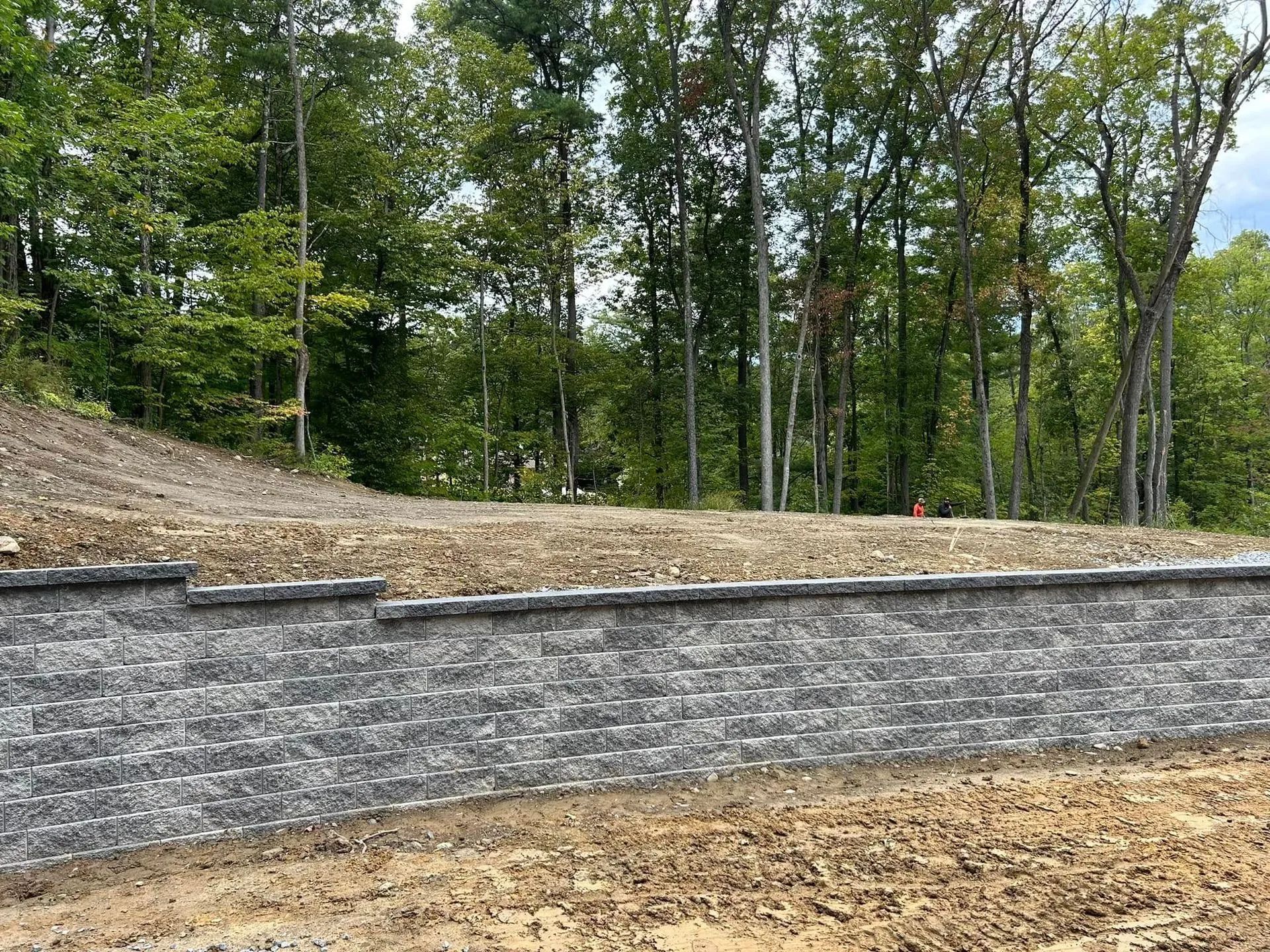
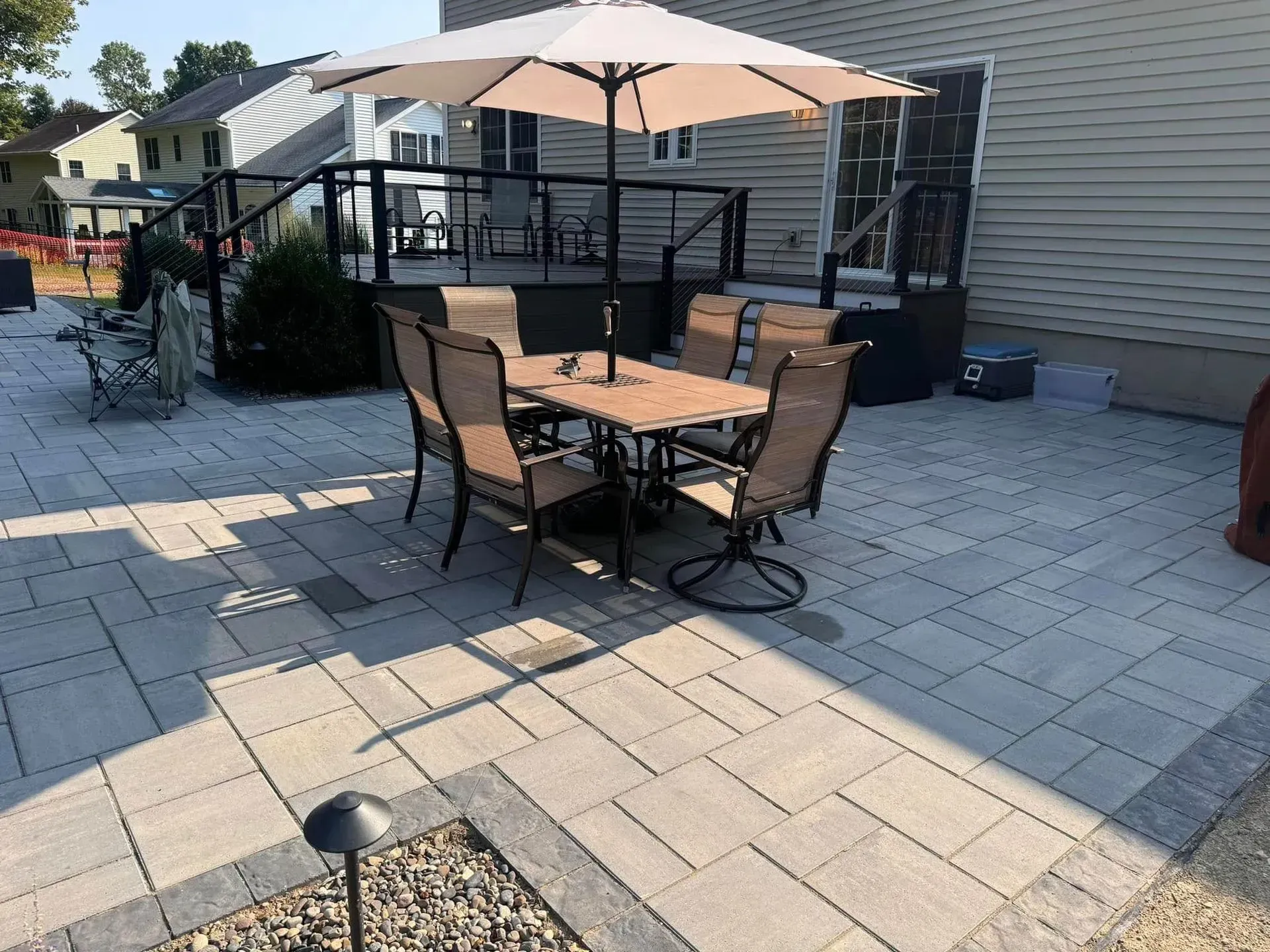
Walkways, patios, retaining walls, and driveways are key components of any yard. If these elements are cracked, uneven, or outdated in style, they can diminish the overall aesthetic and functionality of your outdoor space.
Risks and Challenges
Neglected hardscaping can become a safety hazard and lower property value. Cracks in patios or uneven pathways pose tripping risks, while retaining walls in poor condition may fail to manage soil erosion effectively.
First Steps to Improve Hardscape
Start by inspecting all hardscaping elements for structural integrity. Make note of areas requiring repair or replacement. Temporary fixes such as leveling pathways or sealing minor cracks can improve safety and appearance. Professional landscapers can then provide a comprehensive plan to integrate functional and visually appealing hardscape designs that complement your yard’s natural elements.
Lack of Cohesive Design or Flow
Recognizing a Disjointed Yard
A yard may feel chaotic if plantings, pathways, and seating areas appear randomly placed without a clear plan. This lack of cohesion can make the space feel smaller, less inviting, and underutilized.
Importance of a Strategic Layout
Thoughtful landscaping considers the relationship between different elements—plants, hardscapes, water features, and lighting—to create a harmonious flow. A well-designed yard guides visitors naturally, enhances usability, and maximizes both aesthetic and functional value.
First Steps to Achieve Cohesion
Walk through your yard and evaluate how different areas connect. Identify zones for entertainment, relaxation, gardening, or play. Sketch a rough layout or take photos to show a landscaper. Professionals can then develop a design plan that balances beauty, function, and sustainability, creating a unified outdoor environment that enhances your lifestyle.
Pest or Wildlife Problems
Identifying Infestations
Signs of unwanted pests include chewed leaves, insect activity, burrowing animals, or visible damage to trees and shrubs. Wildlife such as deer, raccoons, or moles can disrupt plant growth and even damage hardscaping features.
Consequences of Ignoring Pests
Unchecked infestations can quickly spread, affecting large portions of your yard. Plant diseases carried by insects or animals can devastate trees and shrubs, while burrowing animals may compromise soil stability and drainage.
First Steps to Manage Pests
Start by identifying the type of pest or wildlife causing damage. Remove food sources, trim overgrown vegetation, and use natural deterrents where appropriate. Professional landscapers can implement integrated pest management strategies, including habitat modification, targeted treatments, and preventative planting, ensuring long-term protection without harming the ecosystem.
Difficulty Maintaining Your Yard
Signs Maintenance Is Becoming Overwhelming
If mowing, trimming, watering, and general upkeep are consuming too much time or resources, it may be a sign that your yard’s design is unsustainable. Overcomplicated layouts, high-maintenance plants, or inefficient irrigation systems can make even routine maintenance stressful.
Long-Term Implications
A yard that is difficult to maintain may see declining plant health, overgrowth, and reduced curb appeal over time. Homeowners often postpone necessary work, leading to compounding issues that require expensive interventions later.
First Steps to Simplify Maintenance
Begin by identifying the areas that require the most effort. Remove or replace high-maintenance plants, simplify irrigation zones, and consider low-maintenance landscaping alternatives such as native plants, ground covers, or automated irrigation systems. Professional landscapers can design a yard that balances visual appeal with ease of maintenance, allowing you to enjoy your outdoor space without the stress of constant upkeep.
Reliable Outdoor Design Services From Our Skilled Team
Recognizing when your yard requires professional landscaping is crucial for maintaining both beauty and functionality. Overgrown vegetation, poor drainage, patchy grass, outdated hardscaping, a lack of cohesive design, pest problems, and difficult maintenance are clear indicators that it’s time to bring in experts. Addressing these issues proactively prevents further damage, enhances property value, and creates an outdoor space that is both inviting and sustainable.
For homeowners looking to transform their yard, taking first steps such as assessing problem areas, conducting soil tests, and simplifying maintenance routines can provide valuable insights before consulting a professional. However, engaging an experienced landscaper ensures a comprehensive approach, combining design expertise, plant knowledge, and practical solutions tailored to your property.
High Country Hardscape & Landscape Designs LLC
in Clifton Park, New York, brings 25
years of trusted experience in transforming outdoor spaces. Our team specializes in creating cohesive, functional, and aesthetically stunning landscapes that reflect your vision. From initial consultation to design implementation and ongoing maintenance, we provide expert guidance, hands-on craftsmanship, and sustainable solutions. Whether your yard requires a full renovation or targeted improvements, we ensure lasting results that enhance both your lifestyle and property value, making us the partner you can rely on for exceptional landscaping services.